Creator guides for Urdu audio and video
End-to-end playbooks written by the UrduSpeech engineering and editorial team: prepare clean recordings, choose between Nastaliq Urdu, Roman Urdu, and English captions, handle WhatsApp voice notes, and ship UTF-8 SRT, VTT, or burned-in MP4 videos to YouTube, Instagram Reels, and TikTok.
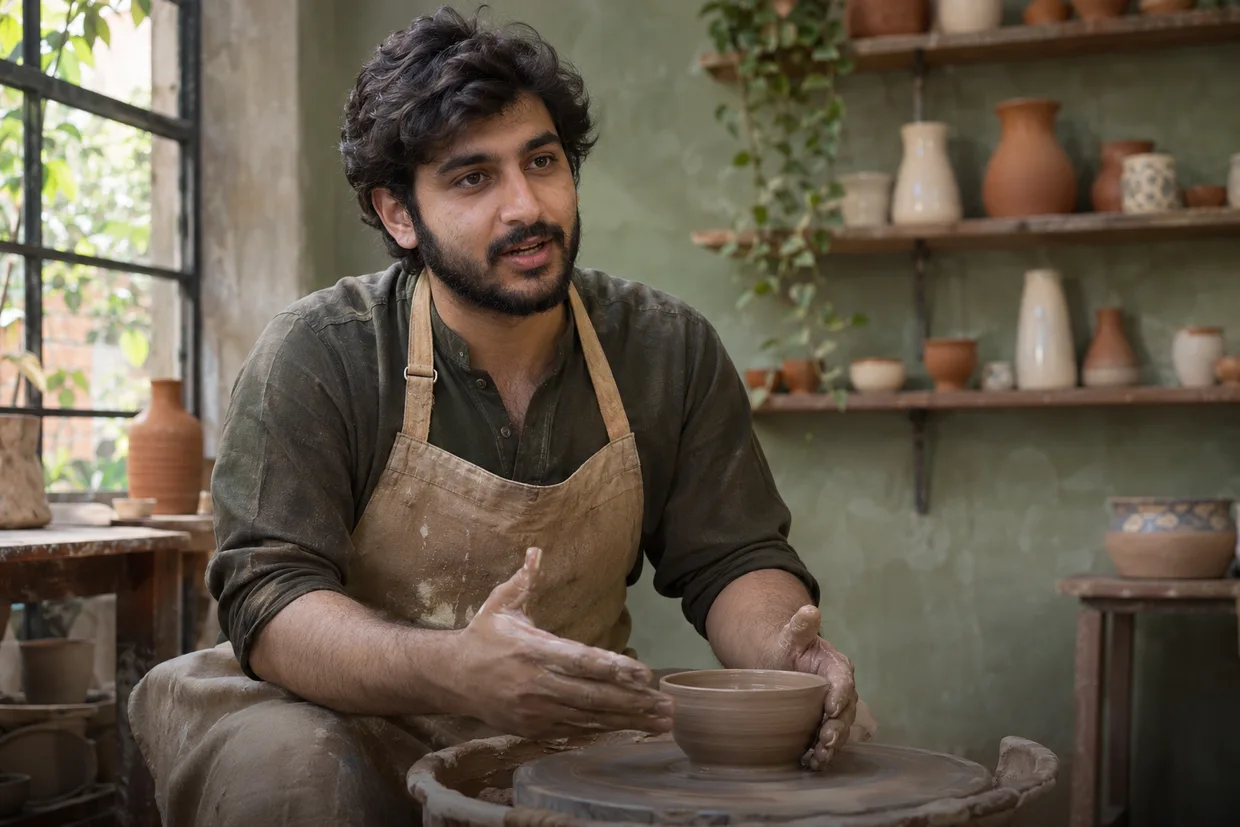 Video workflowHow to make Urdu video captions
Step-by-step Urdu production playbooks
Every guide documents real Studio behavior, exact codec limits, and reproducible UTF-8 subtitle formatting, with no fabricated accuracy promises or hidden steps.
- Urdu, Roman Urdu and English captionsSee how a single spoken Urdu recording reads across Urdu Nastaliq script, Roman Urdu transliteration, English translation, and stacked bilingual captions—and when to use each.
- When to export TXT, SRT, VTT or MP4Compare UTF-8 TXT transcripts, SRT and WebVTT subtitle tracks, and burned-in captioned MP4 renders with real Urdu timestamp examples and platform guidelines.
- How to convert Urdu voice notes to textPrepare saved phone memos or WhatsApp voice messages in supported audio formats, upload them to Studio, review informal speech and names, and export UTF-8 text.
- How to add Urdu subtitles to YouTube videosPrepare clean UTF-8 Urdu, Roman Urdu, or English SRT and WebVTT subtitle tracks from your local edit master, upload them in YouTube Studio, and avoid double-caption overlap.
Explore Studio workflows & creator tools
Jump straight to a dedicated workflow page, head-to-head comparison, or our free browser subtitle converter.
Urdu speech to text & audio transcription Urdu subtitle generator & burned-in video captions Convert Urdu audio to Roman Urdu text Translate Urdu audio to English text & subtitles Urdu captions for Instagram Reels & TikTok Bilingual Urdu + English stacked captions Compare UrduSpeech vs CapCut, Descript & Whisper Free browser SRT to WebVTT subtitle converter